HRC
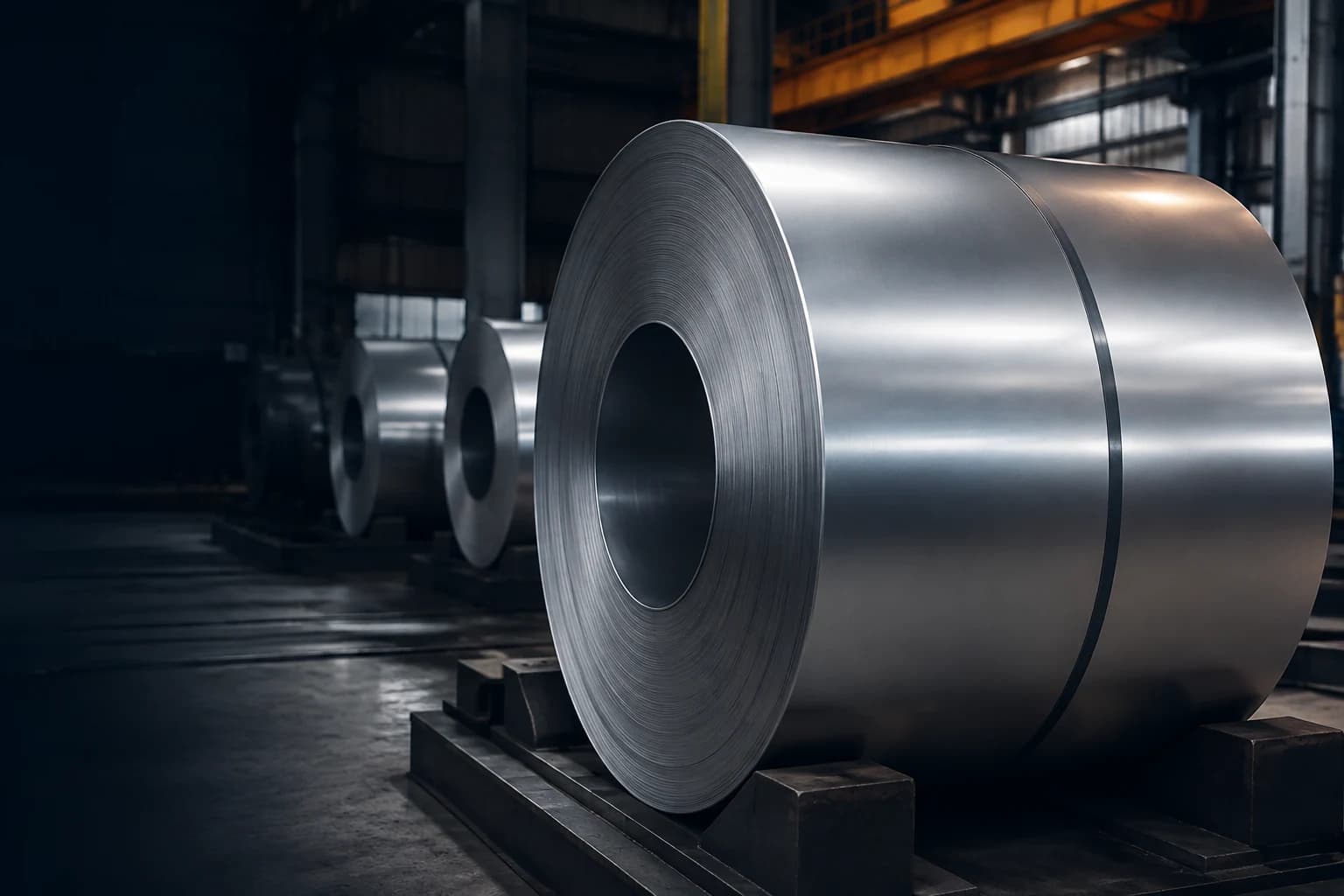
Hot rolled steel for construction, fabrication and heavy industry.
DISCUSS YOUR REQUIREMENT ↗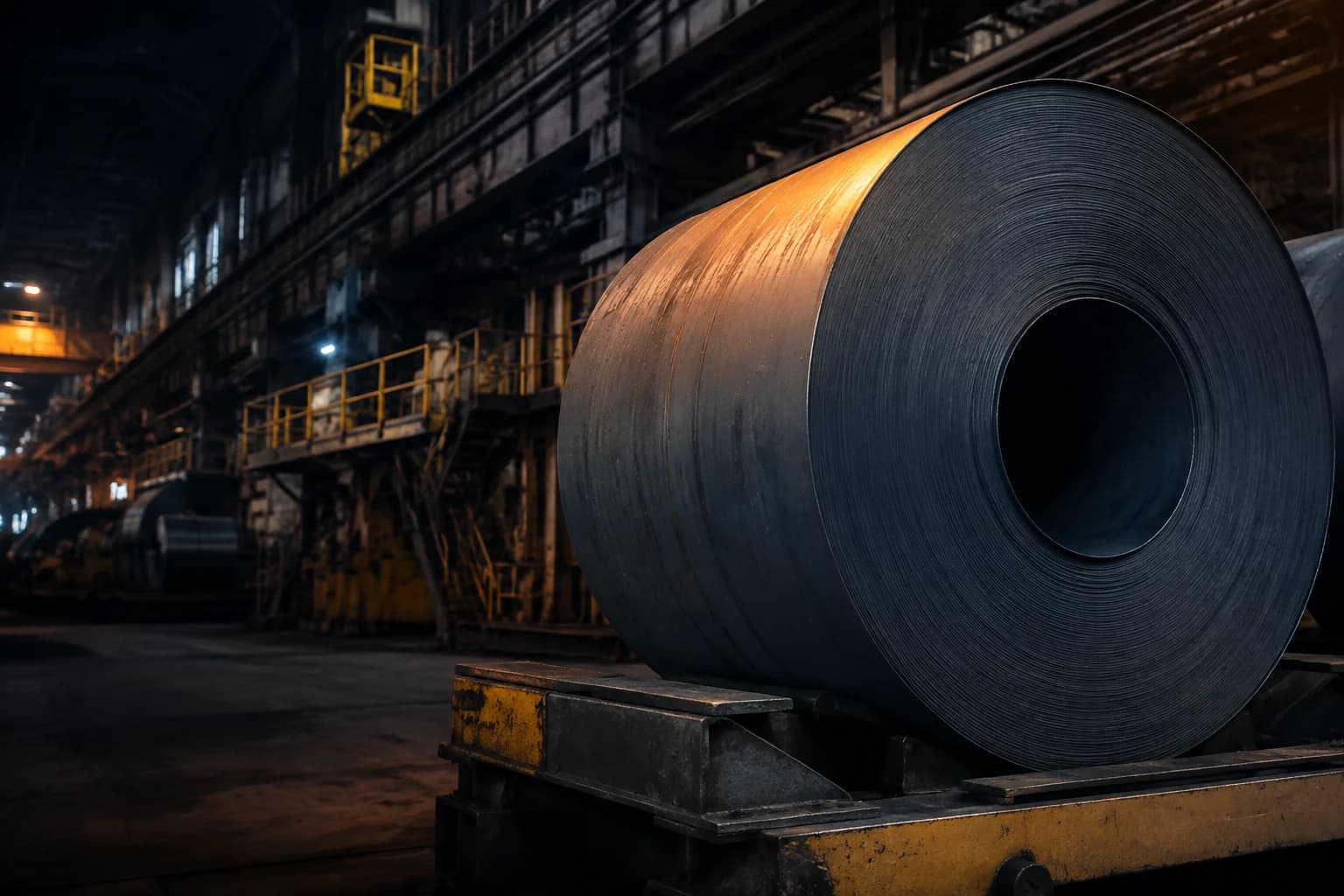
The hot-rolled starting point.
A steel coil for construction and fabrication.
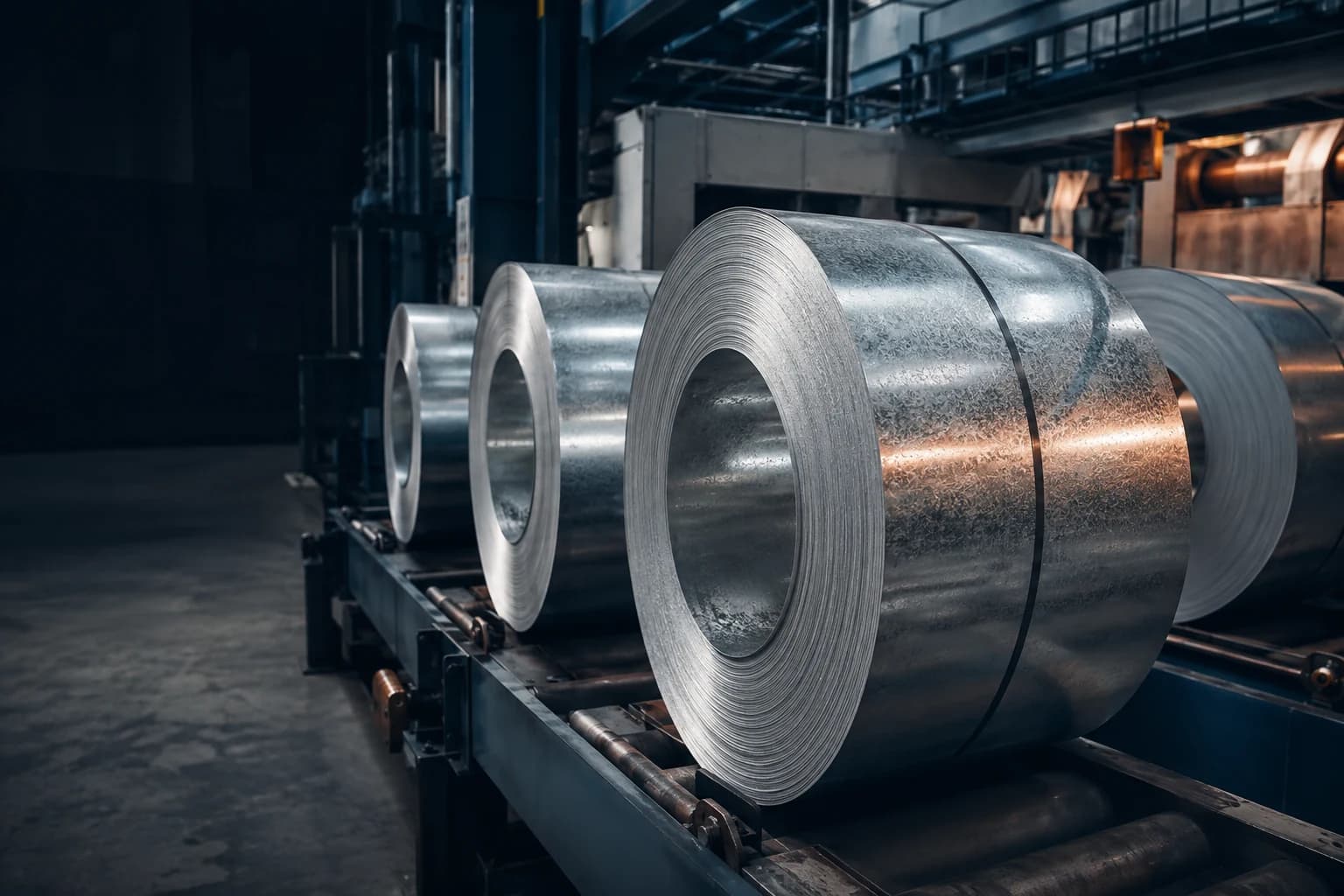
From roll to section.
Dimensions and grade determine the next processing step.
Material for heavy work.
Describe the fabrication route, quantity and delivery destination.
Beyond
the form.
- Material
- Hot-rolled steel coil
- Used for
- Construction and heavy fabrication
01What Is HRC?
HRC is produced by rolling steel at high temperatures—above the steel’s recrystallization point. This process keeps the steel pliable, making it easier to shape and form. As the metal cools, it shrinks slightly, giving it less precise dimensional tolerances than cold rolled steel but making it an economical choice for many heavy-duty applications.
02Key Characteristics
High Ductility: The hot rolling process retains steel’s malleability, allowing for simpler forming and shaping.
Wide Variety of Grades: Available in multiple steel grades to match the mechanical and chemical properties your project demands.
Cost-Effectiveness: Typically more budget-friendly than cold rolled alternatives, offering good performance for large-scale applications.
03Applications of HRC
Construction & Infrastructure
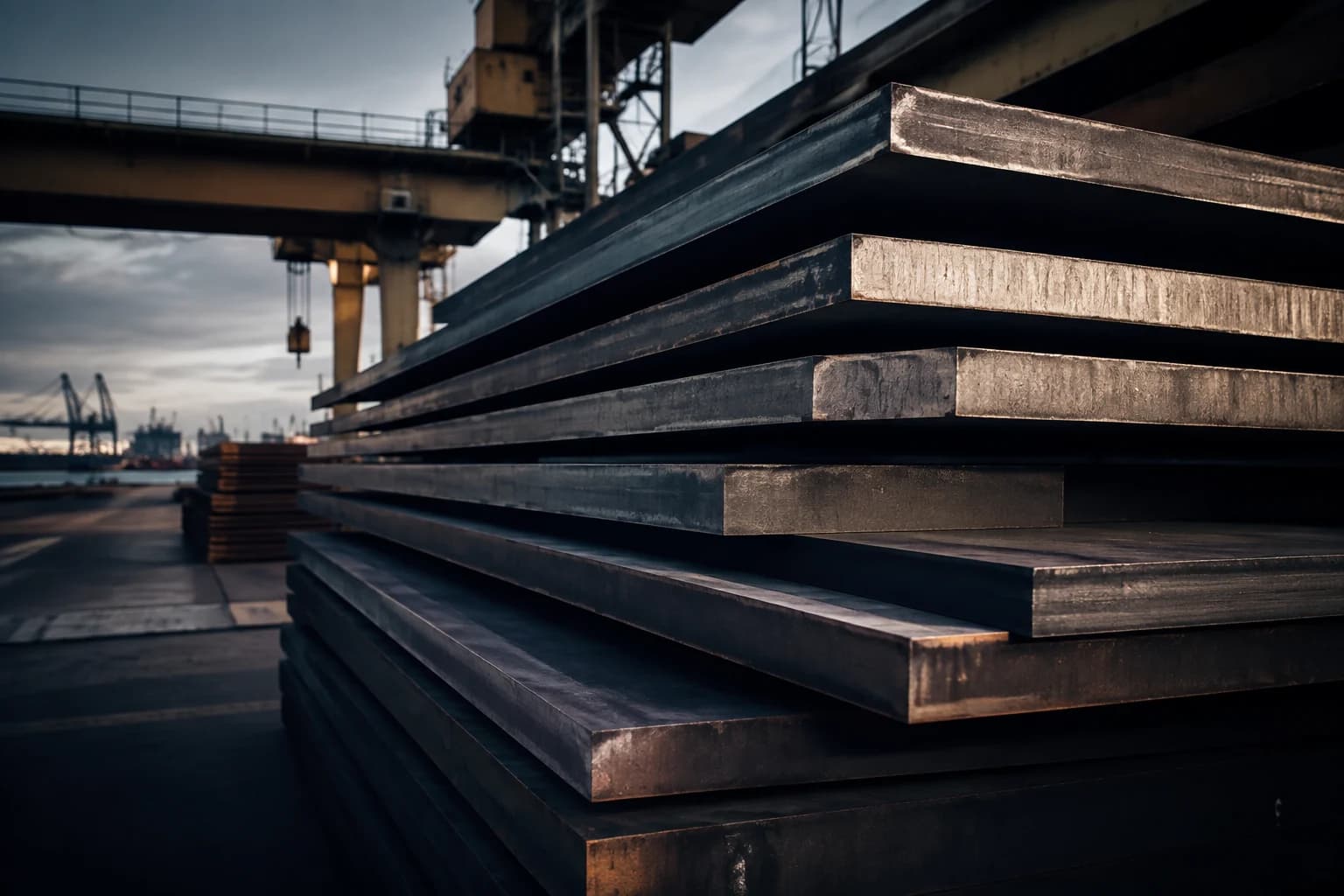
Structural Components: Ideal for beams, channels, and supporting frames in large buildings and bridges.
Welding & Fabrication: Hot rolled sheets and plates can be easily welded for on-site projects or prefabrication.
Automotive & Transportation
Vehicle Frames & Chassis: HRC provides the strength needed to withstand mechanical stress.
Trailer Manufacturing: Its ductility makes it suitable for curved or contoured sections without compromising durability.
Manufacturing & Machinery
Equipment Housings: Ranging from agricultural machinery to industrial hardware, HRC supports stable, long-lasting structures.
Heavy-Duty Parts: Components requiring robust material properties and straightforward fabrication benefit from hot rolled steel.
Piping & Tubing
Line Pipes & Tubes: HRC can be formed into pipes and tubes for fluid transport systems, particularly where precise tolerances are not crucial.
04Benefits of High-Quality HRC
Ease of Fabrication HRC’s lower yield strength and higher ductility make it simple to cut, bend, and weld, reducing production complexity.
Reduced Lead Times The hot rolling process is typically faster and can produce larger volumes, ensuring quicker turnaround for bulk orders.
Reliable Performance Even though tolerances are less exact than cold rolled steel, mechanical strength and flexibility are more than sufficient for a wide variety of structural and industrial needs.
Cost-Effectiveness Compared to other steel products, HRC often presents a lower price point, making it a go-to option when budget constraints are a priority.
Build a clear requirement.
Four decisions give our team enough context to qualify your HRC enquiry. Final specifications and supply terms are confirmed with the quotation.
- Grade & standard
- Required hot-rolled steel grade and applicable standard.
- Coil dimensions
- Thickness, width and coil requirements.
- Quantity & packaging
- Order quantity, preferred unit and packaging requirements.
- Destination & timing
- Delivery location, preferred shipment terms and required date.
Technical documents
Documents are supplied on request for the quoted grade. Ask our team to confirm the specification sheet and applicable quality or safety documentation.
REQUEST DOCUMENTS