Plates
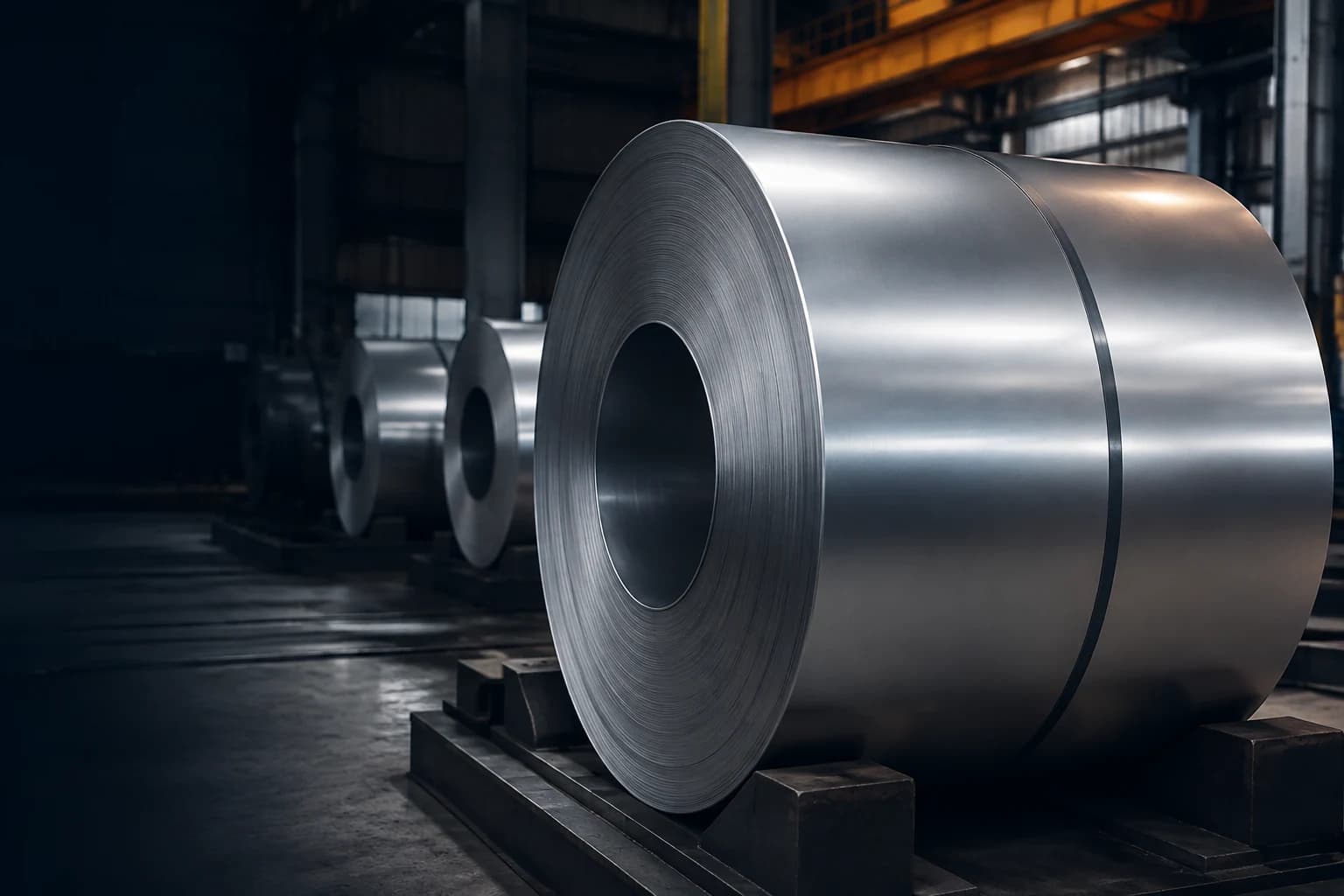
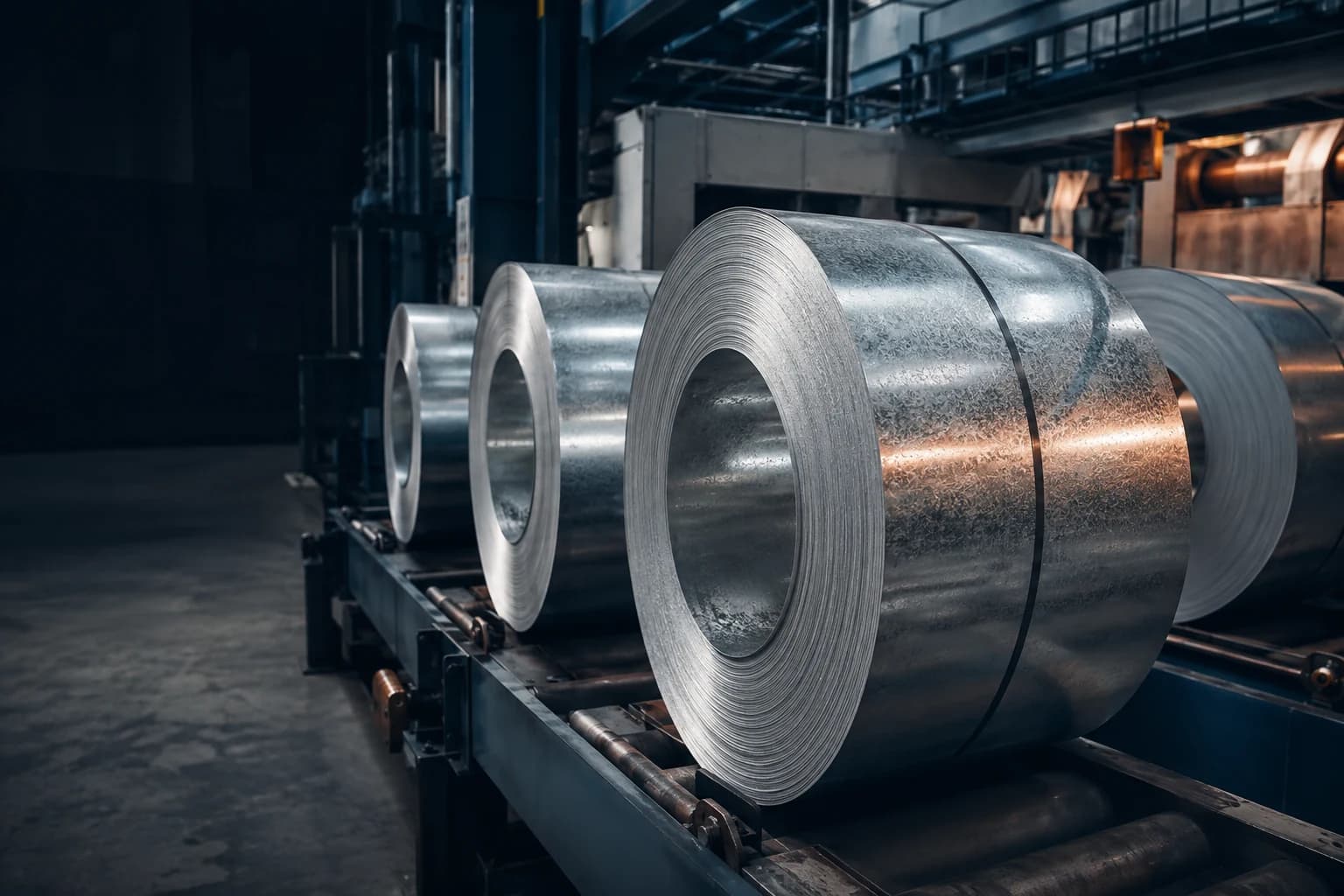
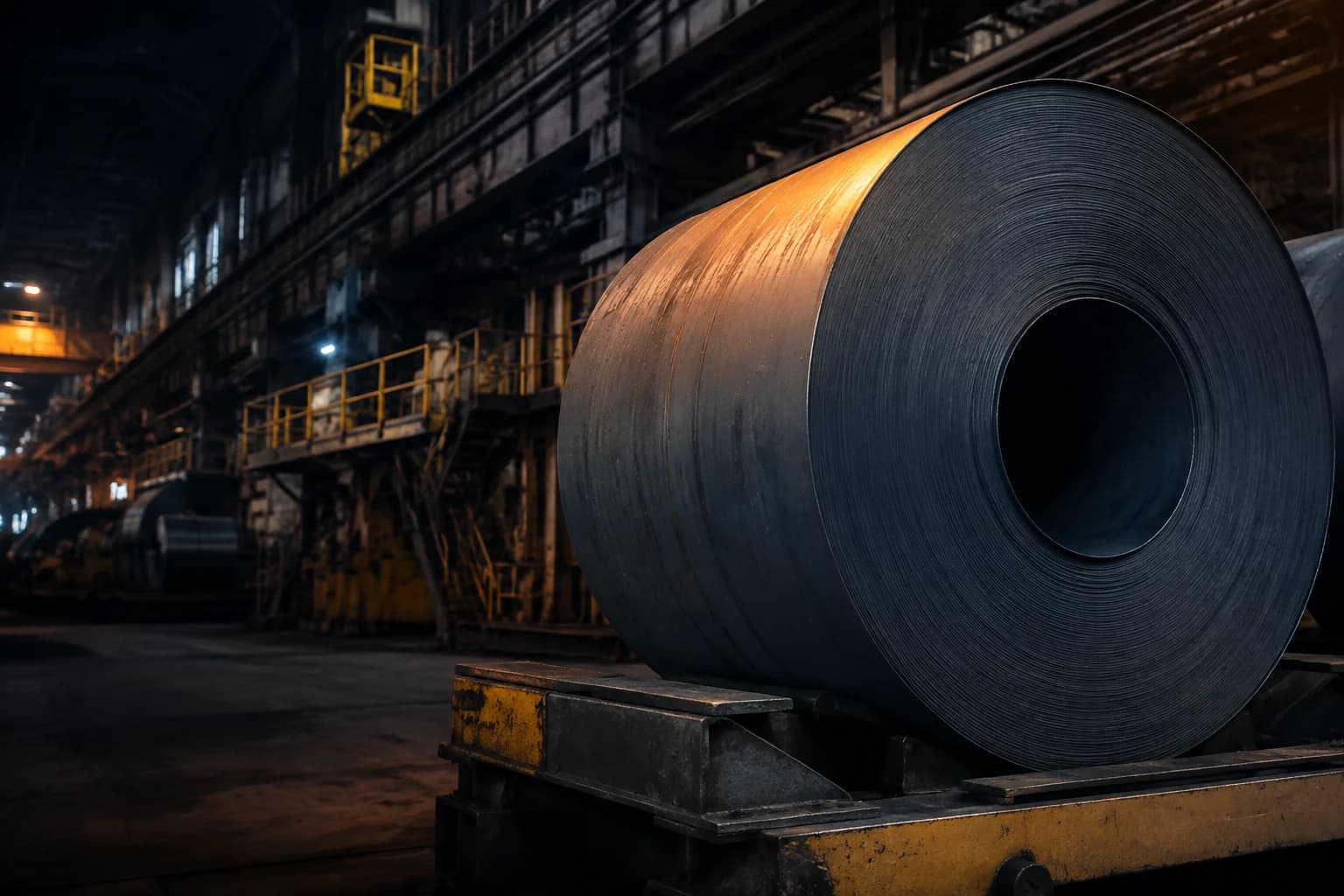
Flat steel plates for structural, fabrication and load-bearing applications.
DISCUSS YOUR REQUIREMENT ↗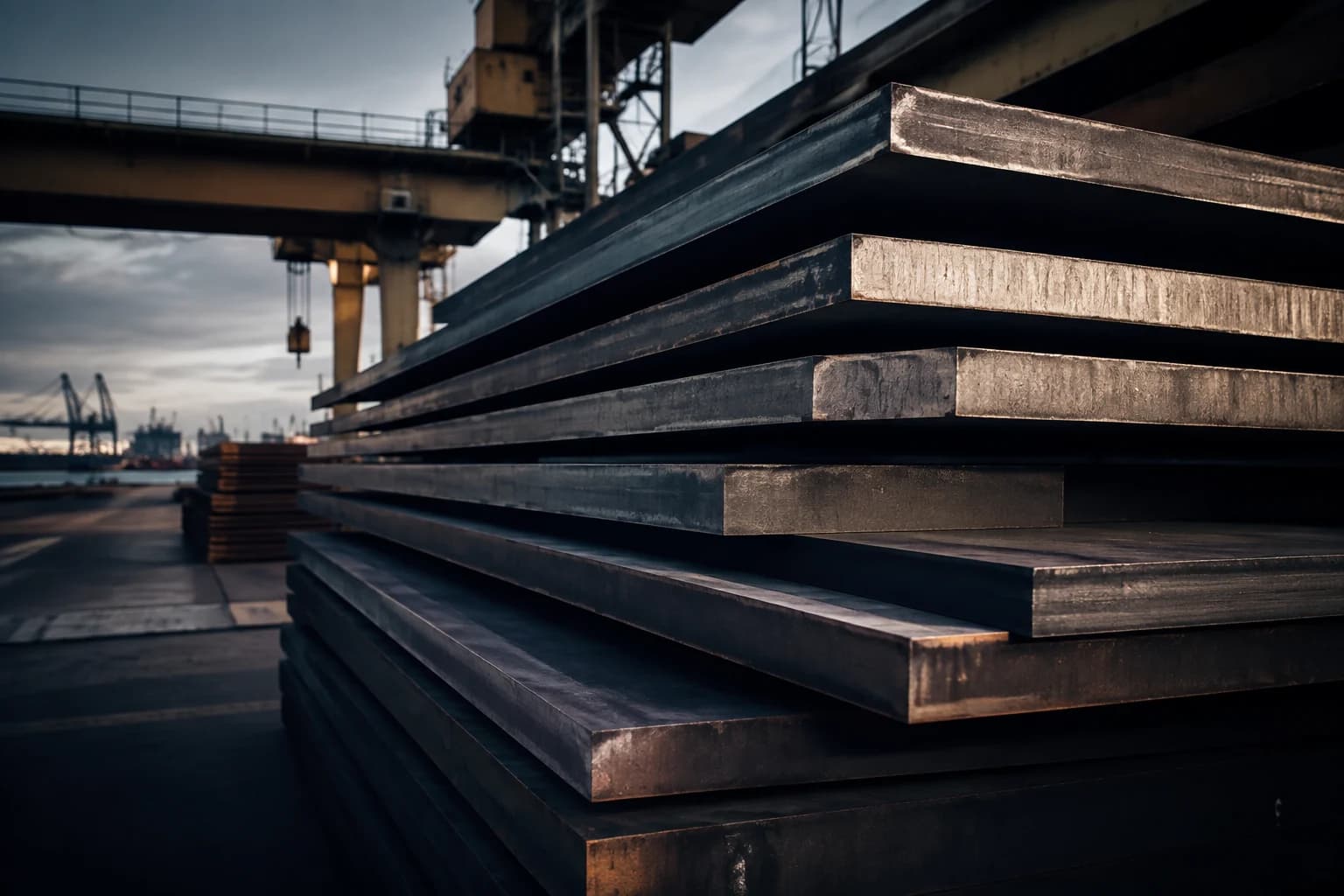
A foundation in flat steel.
Stacked plates present the material in its supplied form.
Read the thickness.
Thickness, width and length define the buying brief.
Built into the structure.
Confirm the structural or fabrication application and required standard.
Beyond
the form.
- Material
- Flat steel plate
- Used for
- Structural and large-scale fabrication
01What Are Plates?
Plates are flat steel products typically 6 mm or thicker, distinguished from thinner sheet materials by their superior load-bearing capabilities. Manufactured under strict tolerances, steel plates can be rolled in varying sizes, grades, and thicknesses, making them ideal for large-scale projects and structural applications.
02Key Characteristics
High Strength-to-Weight Ratio: Offers excellent load-bearing properties relative to thickness.
Wide Range of Grades: From carbon steel to specialized alloy steels, plates can be tailored to diverse industry needs.
Dimensional Consistency: Modern rolling processes ensure uniform thickness, flatness, and mechanical properties.
03Applications of Plates
Construction & Infrastructure
Bridges & Buildings: Plates form the foundation of girders, columns, and beams in multi-level structures.
Heavy Civil Works: Retaining walls, rail tracks, and other large-scale infrastructure often rely on plate steel for durability.
Shipbuilding & Marine
Hull Fabrication: Thick plates are crucial for constructing robust hulls that withstand oceanic pressures.
Offshore Platforms: Oil rigs and related maritime structures depend on corrosion-resistant, high-strength steel plates.
Energy & Power Generation
Pressure Vessels: Plates are often used in boilers, reactors, and tanks where temperature and pressure resistance is vital.
Wind Turbines: Heavy plates support key structural elements in turbine towers.
Manufacturing & Machinery
Earthmoving Equipment: Bulldozer blades, dump trucks, and heavy-duty vehicles benefit from tough, wear-resistant plates.
Industrial Fabrication: From agricultural machinery to conveyor systems, plates provide the necessary stability and strength.
04Benefits of High-Quality Plates
Enhanced Durability
Rigorously tested for tensile strength, impact resistance, and fracture toughness, steel plates endure extreme conditions and heavy loads.
Design Flexibility
Plates can be cut, welded, and formed into complex shapes, supporting innovative engineering and architectural concepts.
Cost-Effective By selecting the appropriate grade and thickness, projects can balance performance with budget without sacrificing safety or longevity.
Improved Safety & Reliability High-grade plates reduce the likelihood of structural failures, providing peace of mind in critical applications.
Build a clear requirement.
Four decisions give our team enough context to qualify your Plates enquiry. Final specifications and supply terms are confirmed with the quotation.
- Grade & application
- Required steel grade and structural or fabrication application.
- Plate dimensions
- Thickness, width and length required.
- Quantity & packaging
- Order quantity, preferred unit and packaging requirements.
- Destination & timing
- Delivery location, preferred shipment terms and required date.
Technical documents
Documents are supplied on request for the quoted grade. Ask our team to confirm the specification sheet and applicable quality or safety documentation.
REQUEST DOCUMENTS